
During todays meeting of the Parliaments (Milli Majlis) Committee on Agrarian Policy, draft amendments to the laws «On State Fee» and «On Licenses and Permits» were brought up for discussion in accordance with the newly developed draft law «On Fisheries.»
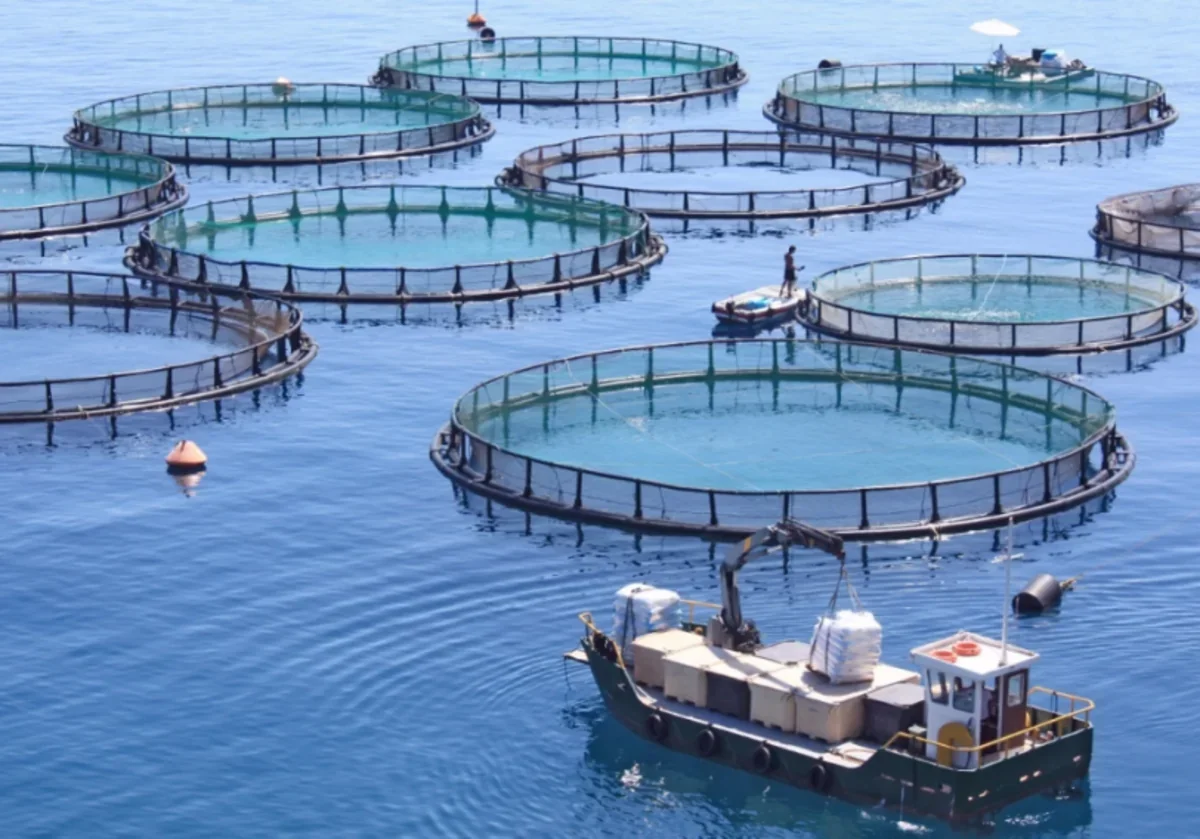
Как сообщает mor-vesti.az the amendments establish a new type of fee and permit aimed at regulating artificial fish breeding (aquaculture) activities and strengthening state control in this sector.
Amount of the Fee for the Registration Certificate
According to the proposed amendment to the law «On State Fee,» a state fee of 70 manats (AZN) will be charged for issuing a registration certificate to aquaculture farms in Azerbaijan.
This fee aims to partially compensate for the administrative expenses of the following measures carried out during the issuance of the certificate:
- Assessing the compliance of the established farm with legislative requirements;
- Conducting relevant expert evaluations;
- Executing administrative proceeding measures.
The implementation of the state fee will also ensure the principles of equality and a unified approach within the legal system, as well as stimulate the official legalization of activities in this field.
Aquaculture Added to the List of «Permits Granted for Entrepreneurial Activity»
According to the proposed amendment to the law «On Licenses and Permits,» the «registration certificate of aquaculture farms» is officially added to the «List of permits granted for entrepreneurial activity.»
Shift in Approach: Until now, while the utilization of natural bioresources (fishing) in the maritime and fishing sectors was regulated through a special permit mechanism, aquaculture activities were limited to a simple registration procedure. However, aquaculture is not just an ordinary farming activity; it is a complex field accompanied by the use of water resources, intervention in the ecosystem, and modification of the biological balance.
Preventive Control and International Standards
The new amendment shifts state control over the management of aquatic bioresources from the subsequent stage to the initial (preventive) stage. This model will allow for the early identification of ecological and biological risks before a farm begins its operations.
This unified regulatory model, which eliminates the distinct legal regimes between the exploitation of natural resources and artificial breeding, fully complies with the international principles established by the Food and Agriculture Organization of the United Nations (FAO).